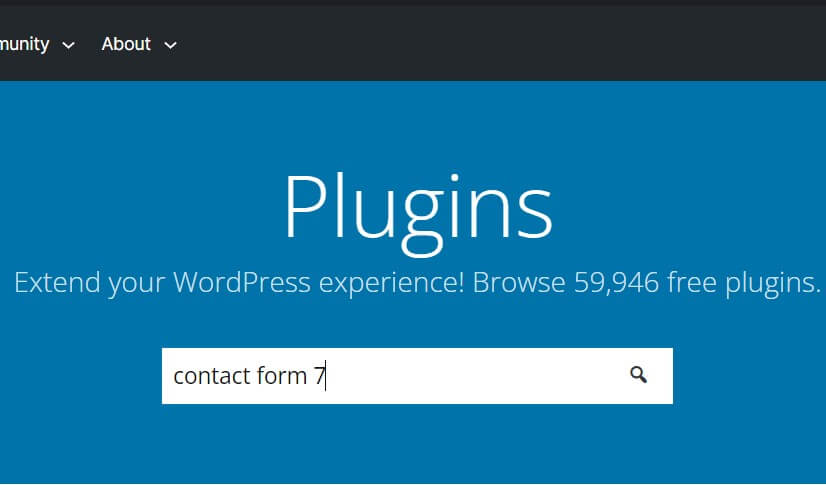
Occasionally, you’ll locate a WordPress plugin update leads to additional troubles than it fixes—perhaps it breaks an important function or clashes with all your theme. Downgrading the plugin can be the short resolve, but it’s not as simple as reinstalling an old Edition. Should you don’t approach the procedure cautiously, you threat taking your internet site offline or introducing new protection concerns. Let’s check out tips on how to securely roll back plugins without having creating more substantial problems.
Comprehension Why Plugin Downgrades Are Sometimes Required
Though keeping your WordPress plugins current is very best observe, there are occasions when you could possibly ought to downgrade a plugin. At times, a new update introduces a bug that disrupts your web site’s performance or breaks compatibility with crucial themes and plugins.
In the event you’re pushing the boundaries with slicing-edge characteristics or customized code, you may perhaps realize that the most recent plugin Model conflicts with all your special setup. Innovations inside your workflow shouldn’t grind to the halt due to an incompatible update.
Downgrading gives you a method to maintain balance while you troubleshoot or look ahead to a correct. It’s about maintaining the momentum of one's Inventive eyesight and minimizing downtime, so that you can continue to keep providing seamless encounters devoid of compromise.
Identifying the Plugin Version That actually works Best
Any time a plugin update disrupts your website, pinpointing which Model keeps everything functioning efficiently turns into your major priority. Start off by reviewing your web site’s modern variations and noting the Variation that very last worked with no concerns.
Check out the plugin’s changelog and assistance boards for clues about when challenges commenced. Innovators like you can leverage applications like WP Rollback or plugin-specific version histories to match preceding releases and their compatibility notes.
Don’t fail to remember to take into account which functions or fixes you really require—at times the most recent isn’t the best for your personal set up. Tests different variations in a very staging setting, if out there, will help you confidently discover the ideal release.
Backing Up Your WordPress Site Prior to making Alterations
Before you downgrade any WordPress plugin, you should definitely back up your total web site. Modern web-site administration means you don’t just hope for the most beneficial—you actively safeguard your digital assets.
A comprehensive backup secures your database, data files, media, and configurations, making certain it is possible to restore almost everything if anything goes wrong. Utilize a trustworthy backup plugin like UpdraftPlus, BlogVault, or WPvivid, and shop copies offsite for optimum safety.
Automate backups if at all possible, but generally operate a handbook backup just before making alterations. Validate the backup completes productively and you understand how to restore from it.
This proactive strategy lets you experiment and iterate with no fear, empowering you to definitely innovate freely while safeguarding your web site’s integrity and uptime.
Checking Plugin Compatibility Along with your Theme and Other Plugins
Even a simple plugin downgrade can disrupt your site if it clashes with your topic or other plugins. Prior to deciding to continue, Appraise whether the version you’re taking into consideration will perform within your unique ecosystem.
Start off by examining the plugin’s changelog and help boards for documented conflicts with the theme or essential plugins. Verify your concept’s documentation for virtually any notes about plugin compatibility or recognized difficulties with prior variations.
If possible, build a staging atmosphere to test the downgraded plugin along with your present-day concept and also other plugins—this allows you to catch incompatibilities right before they influence your Are living web site.
Don’t assume backward compatibility; innovation relies on complete testing. By proactively figuring out potential complications, you make sure your web site continues to be secure and prepared to your next Innovative breakthrough.
Downloading Older Variations of Plugins Securely
Quite a few trusted sources Enable you to obtain former versions of WordPress plugins, nevertheless it’s essential to obtain them safely. The official WordPress Plugin Repository stays your most trustworthy choice. Pay a visit to the plugin’s page, click on the “State-of-the-art See” url, and scroll all the way down to the “Previous Variations” part.
Below, select and download the precise version you may need. Usually avoid random 3rd-bash Internet sites; They might bundle malicious code or out-of-date data files that risk your internet site’s stability.
For those who’re utilizing premium plugins, check the developer’s Internet site or Make contact with their assistance for archived releases. Validate file integrity by evaluating checksums or making use of designed-in WordPress validation applications.
Manually Replacing a Plugin With the More mature Model
Once you've downloaded the more mature plugin Edition you'll need, changing The existing just one is easy but involves careful ways to prevent mistakes. Initial, deactivate the present plugin from a WordPress dashboard—this prevents conflicts and guarantees a cleanse swap.
Following, use FTP or your file manager to navigate to wp-material/plugins and delete the plugin’s latest folder. Don’t worry, your settings typically stay intact within the databases.
Now, add the more mature plugin Edition’s folder to exactly the same area. Once the upload completes, return in your dashboard and reactivate the plugin.
Test your site immediately to substantiate anything operates smoothly. By using this strategy, you preserve entire Management, reduce downtime, and maintain your web site’s modern edge while steering clear of disruptions from problematic plugin updates.
Applying Plugins to Roll Back Other Plugins
While manually downgrading a plugin functions, you may simplify the process by using a committed rollback plugin. Tools like WP Rollback empower you to revert plugins with just a few clicks—no should dig through outdated ZIP data files or wrestle with FTP clientele.
After setting up a rollback plugin, you’ll see a different “Rollback” https://bloggersneed.com/how-to-downgrade-wordpress-plugin-version/ solution in your plugins web page. Click it, decide on your required version, and Enable the plugin deal with the rest. This process’s speedy, economical, and minimizes the chance of human mistake.
Tests Your website After a Plugin Downgrade
Right after downgrading a plugin, you must carefully test your internet site to be certain every little thing performs as anticipated. Begin by clearing your browser and internet site cache to avoid viewing out-of-date property.
Navigate via your web site’s front finish and admin dashboard, examining for broken layouts, missing attributes, or mistake messages. Take a look at The true secret performance associated with the downgraded plugin—Get in touch with sorts, searching carts, or galleries—depending on your site’s goal.
Don’t just rely upon Whatever you see. Review your browser console for JavaScript mistakes and scan your server’s error logs for backend problems.
If at all possible, take a look at your internet site across numerous browsers and gadgets to capture inconsistencies.
Document any challenges you come across, as this can help you troubleshoot or talk Plainly with plugin builders if even more aid is needed.
Protecting against Automatic Plugin Updates
Even when you've productively downgraded a plugin, automated updates can rapidly undo your adjustments by reinstalling the most recent Variation. To maintain Command, you need to disable automated updates for that specific plugin.
In your WordPress dashboard, navigate to the Plugins web page. Find the downgraded plugin, click “Disable Vehicle-Updates,” and ensure your variety. This easy phase guarantees WordPress gained’t override your picked Edition with out your acceptance.
For innovators seeking far more granular Command, You may use a code snippet as part of your theme’s features.php or possibly a custom plugin to block updates for choose plugins. This technique leverages WordPress filters, permitting you tailor update habits to your workflow.
Monitoring Site Security After a Downgrade
How can you be certain your website stays safe after downgrading a WordPress plugin? To start with, install a reliable safety plugin like Wordfence or Sucuri. These tools observe your internet site for suspicious exercise and provide you with a warning to vulnerabilities. Permit genuine-time scanning, so you’ll capture challenges as soon as they occur.
Following, evaluate your server logs routinely for unfamiliar login tries or file adjustments. Build automated backups; this makes certain you can promptly restore your site if something goes Erroneous.
Stay proactive by subscribing to vulnerability databases, like WPScan, so you’re right away knowledgeable If your downgraded plugin develops new protection flaws. Embrace two-aspect authentication for all person accounts.
Using these tactics, you’ll preserve a safe, resilient Site even after rolling again a plugin version.
Conclusion
Downgrading WordPress plugins does not have being dangerous when you Adhere to the suitable methods. Generally back up your web site, Verify compatibility, and use trustworthy resources when having older plugin variations. Exam all the things in a very staging environment very first, and remember to disable automatic updates in order to avoid surprises. By remaining mindful and proactive, you are going to keep your site secure and protected—even when you should roll back a plugin. Consider your time and energy, and your site will thanks.